I’ve always been interested in the overlap between the senses – sight, hearing, smell… . Many years ago I wrote a dissertation about Synaesthesia in Theatre and TV. I knew as a director that if you bombard the eyes with red for example, you will get a visceral response from your audience. I’ve always believed there are subliminal connections between for example colour and sound. For me a Middle C note is royal blue and always has been. After all, light and sound are just different types of waves, and colours and pitches are different frequencies.
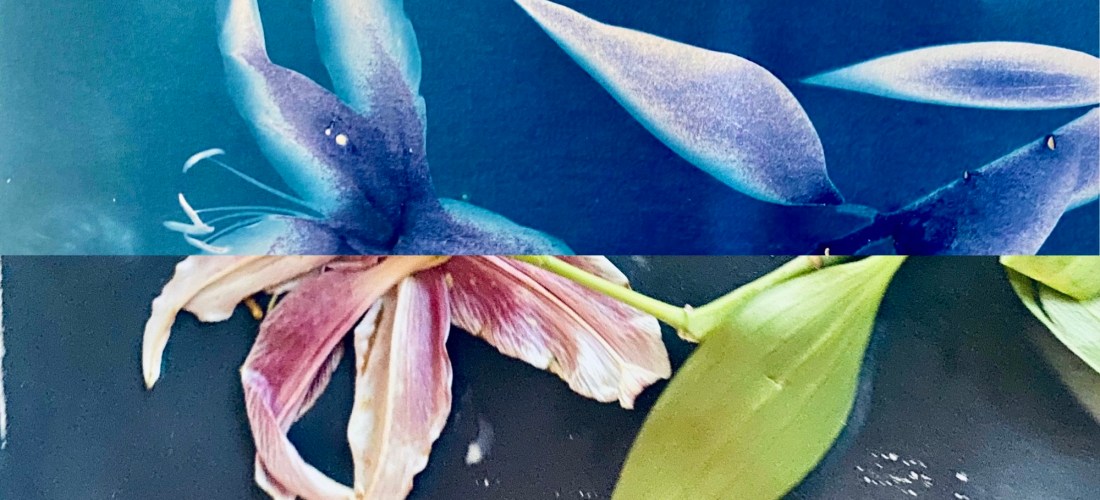
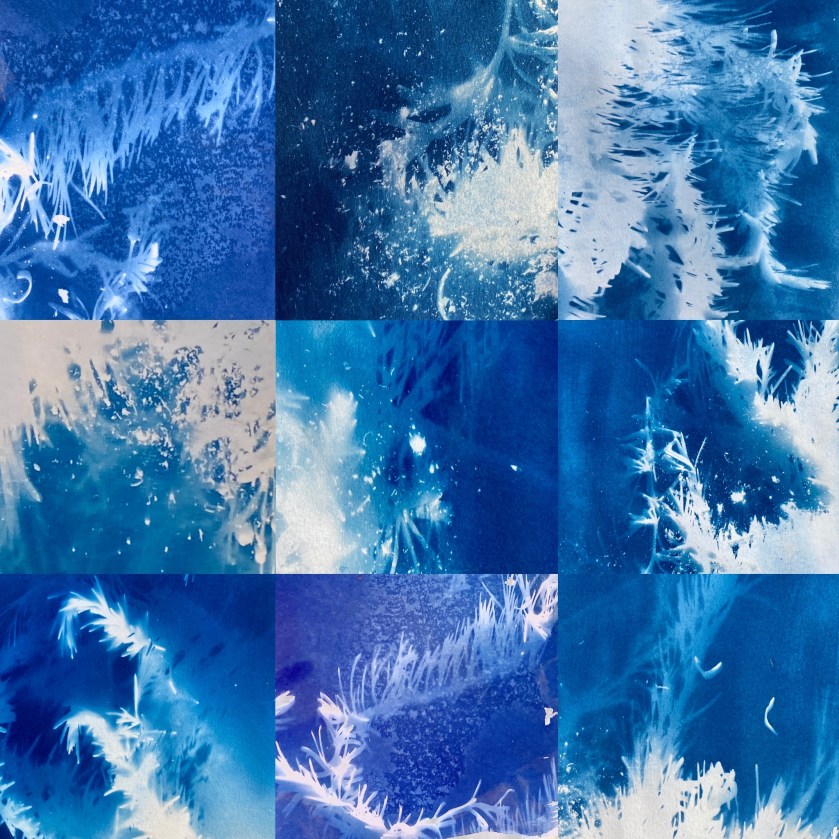
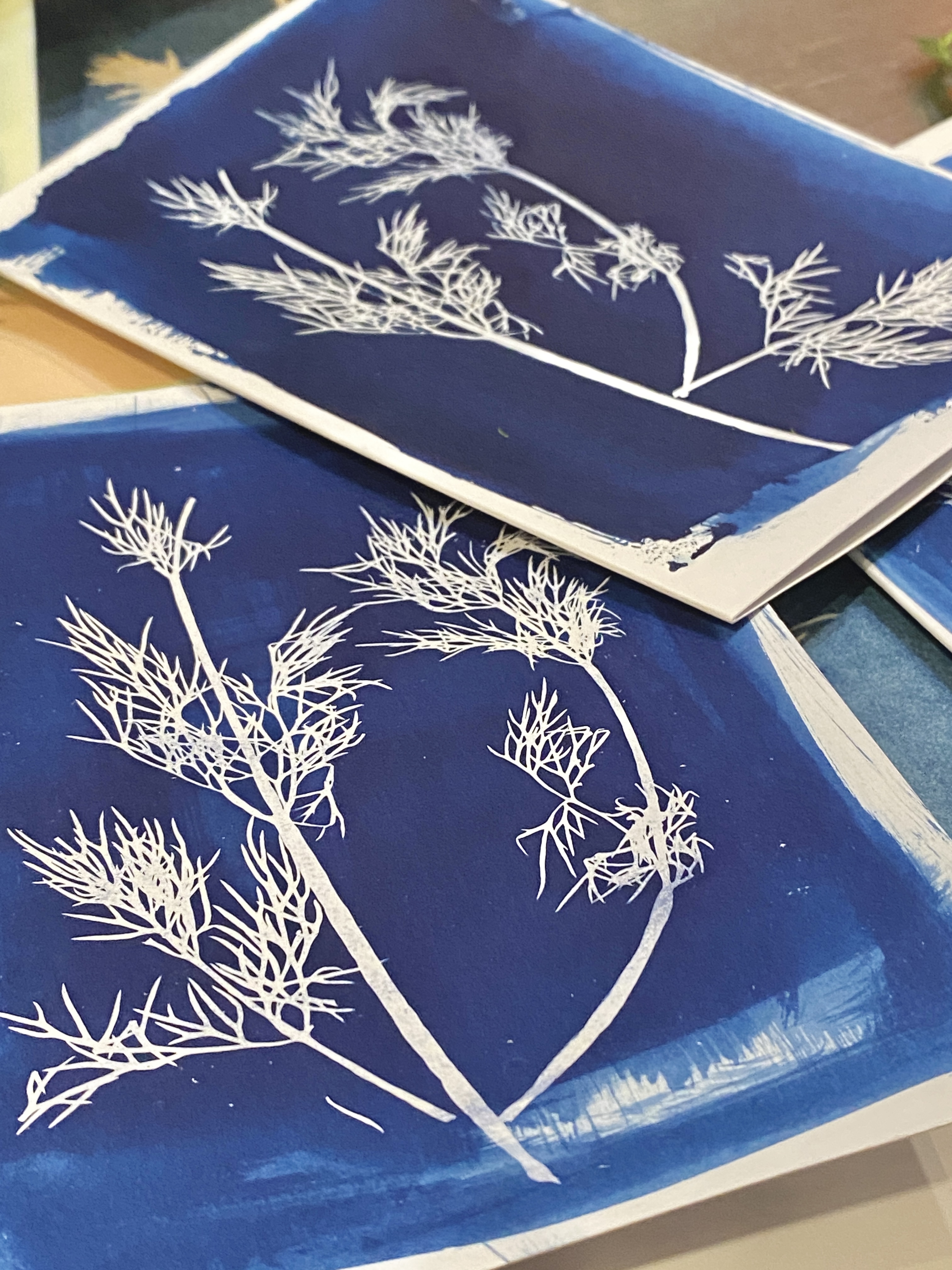
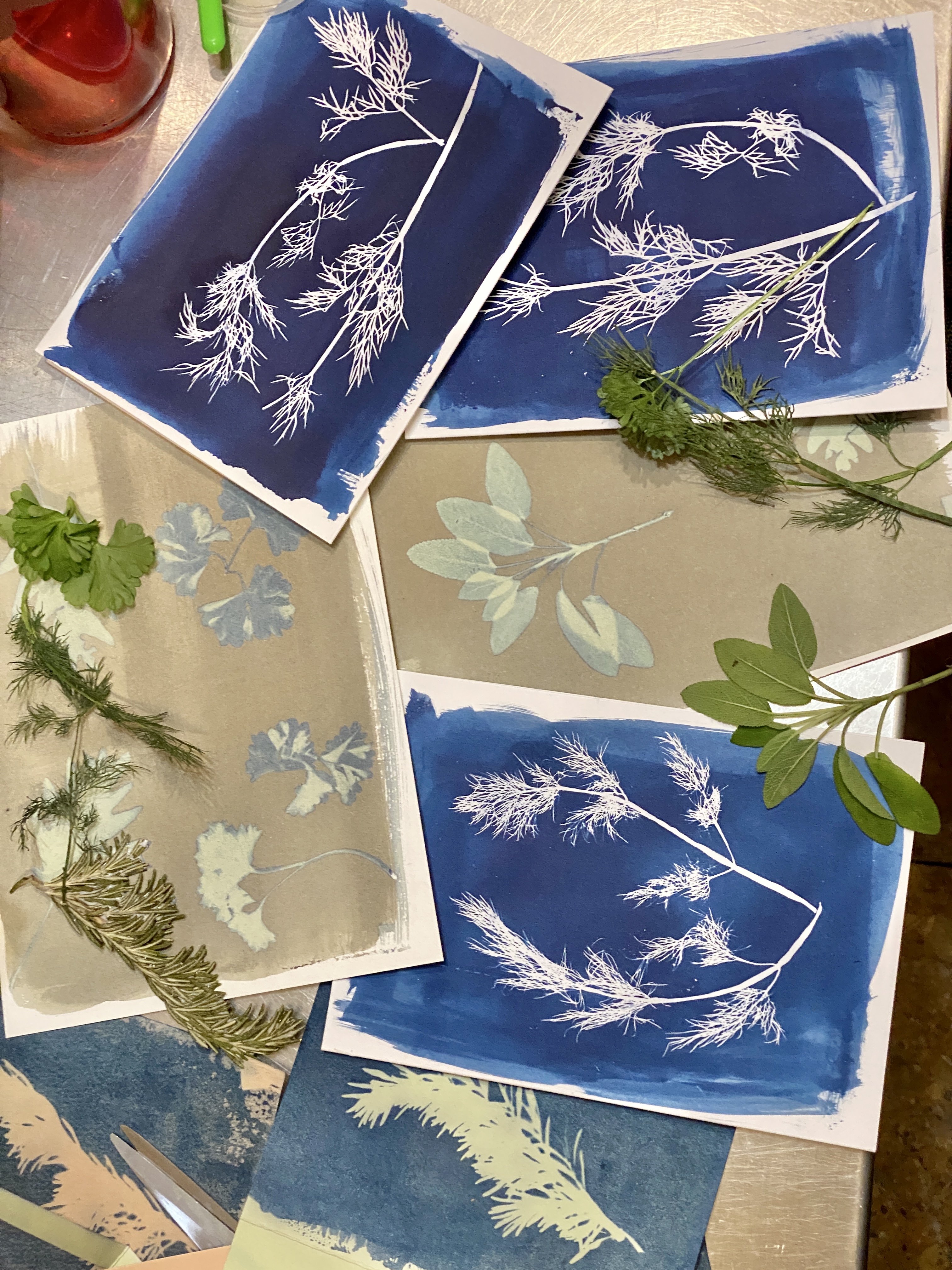
Rosemary cyanotypes
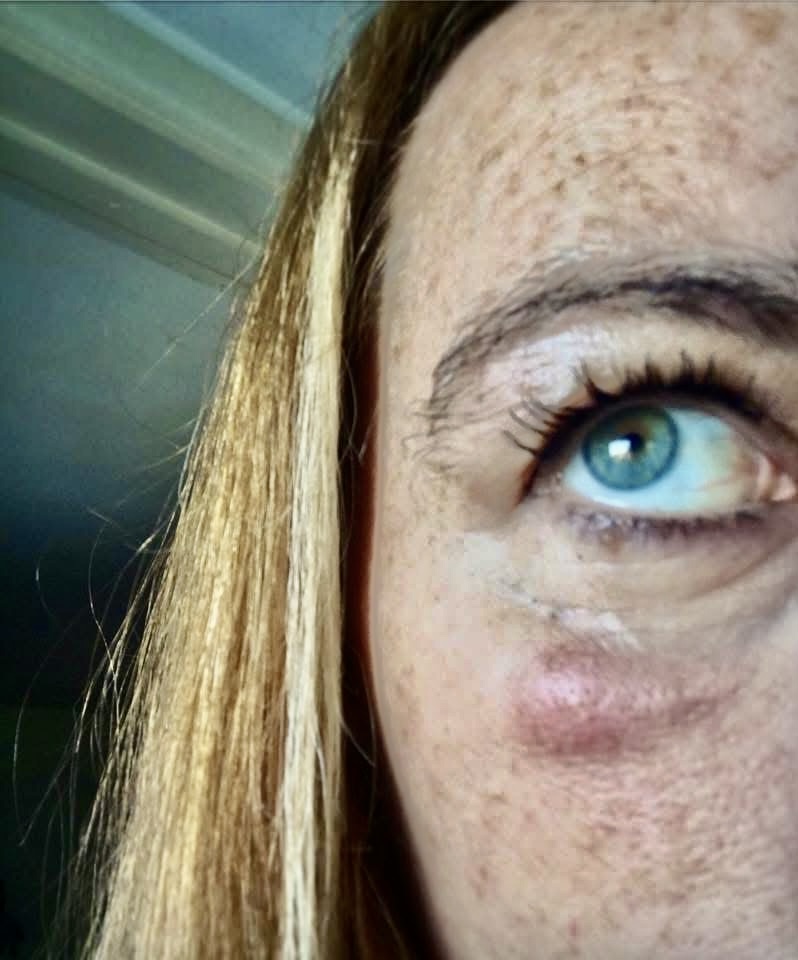
When I work with ultraviolet light in my cyanotype printing I am very aware that the optimal frequency is 365nm. I can see the effects of sun, and all manner of clouds of the final print – I work with the weather to get the precise results I am after … I can control contrast and colour by harnessing the elements in the same way a farmer does to maximise his yield. This week I have noticed that my freckles start forming when UV breaches a certain point, I can literally feel them forming on my skin – no need for a light meter!
Pic of my mozzie bite and freckles
And that brings me to the connection between Earth, Body and Spirit, one that I fear we are losing in today’s concrete jungles. I’ve worked with city kids who have never touched a growing plant and don’t know where supermarket veg comes from beyond the plastic tray. When I lost my senses of smell and taste for years after Covid, the world felt a very 2-dimensional place. I felt detached, like I was living in a simulation of reality, a character in a computer game. When my senses returned I felt euphoric, and determined to never take these senses for granted again. I found out about the charity Fifth Sense who help people with smell/taste disorders and I did their training and now volunteer for them, to help raise awareness.
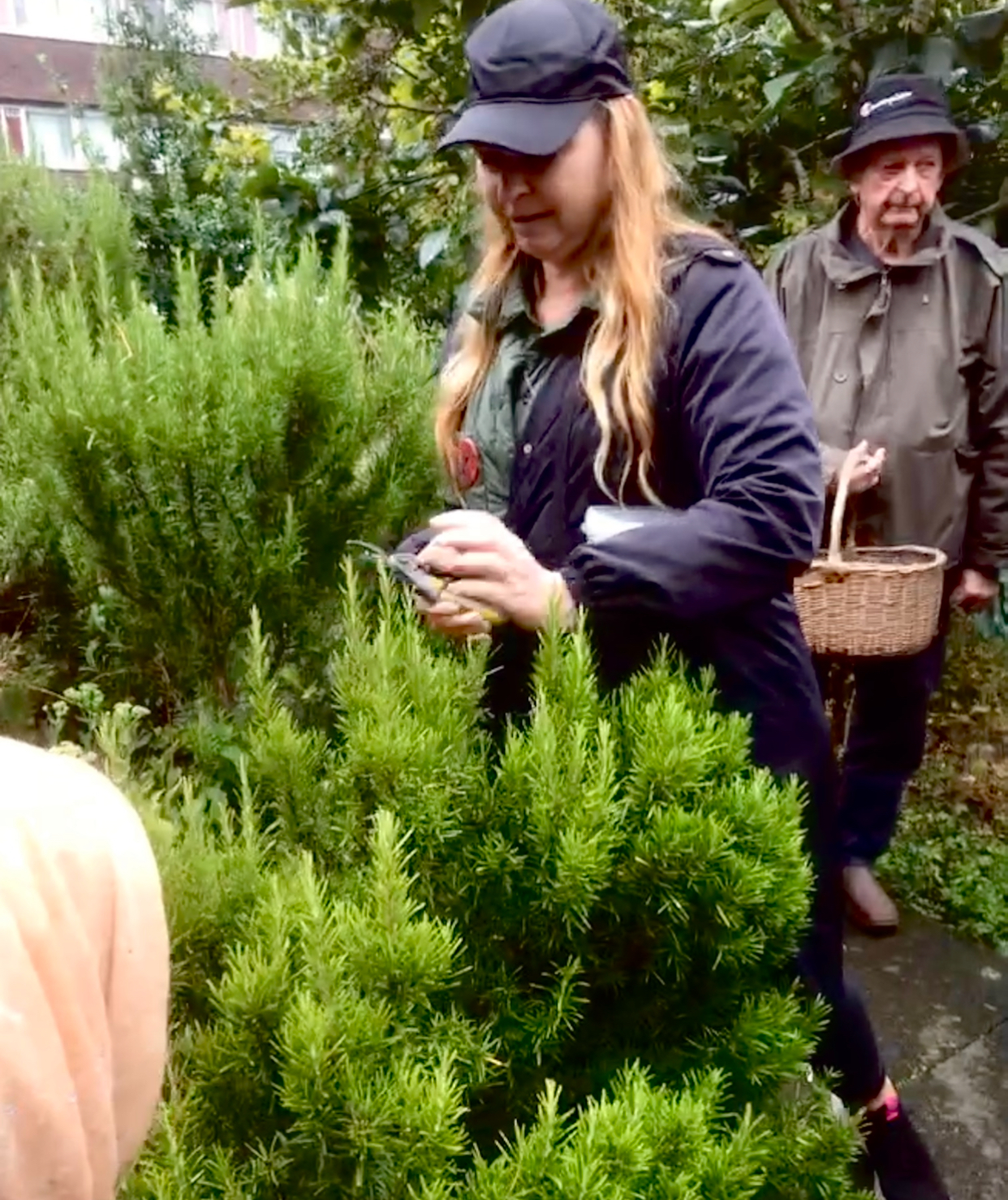
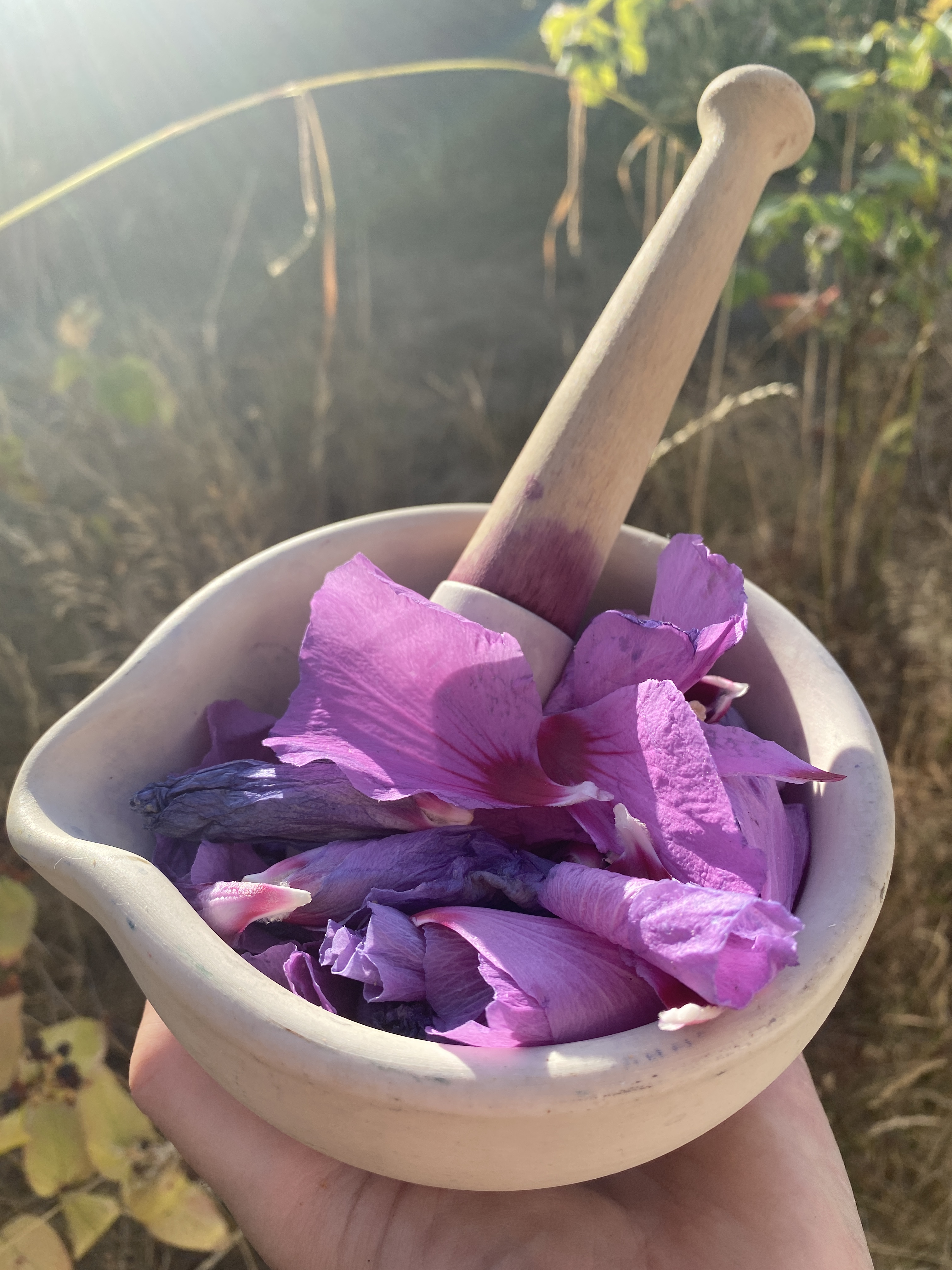
On the day that my sense of smell returned I happened to be picking rosemary at the John Evelyn Garden in Deptford. So this is where we are running an informal workshop on Fri 16 May 2025 2.30-4pm. Suitable for anyone wanting to explore the senses and nature, and to get hands-on with plants and make a cyanotype print with sunlight. We will be continuing the discussions of sensory perception then. Details on how to book a free place here
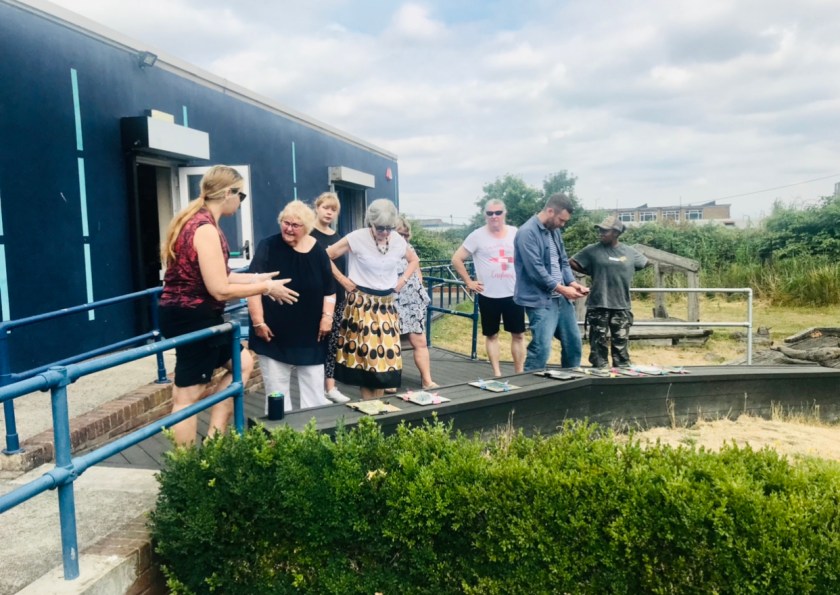
This year I have been perfecting certain formulae and techniques of sustainable photography. Traditional photography can contain toxic materials and be heavy on the use of water and electricity. I wanted to share my findings with local artists and photographers (of all levels) and to open up discussions of climate and Nature. Thanks to a grant from Bexley Three Rivers and Arts Council England I was able to do that. Over July and August we made sunprints, plant emulsions, and a photowalk in the woods.
I feel there is a real gap for summer activities in London, especially after the isolating lockdowns. Many clubs and classes shut down completely for summer. This became a bit of a ‘summer camp’ and was a lot of fun. It was full of moments of magic, discovery and laughter. Everyone said, they had never done anything like this before, and that was very rewarding for me as I strive to be original.
I’d like to say a massive thanks to all the enthusiastic participants, and to the helpful organisers, to the Belvedere Centre, and my assistants Tabby and Lewis.
I took this photo of the dry ferns when I was doing a reccee for our PhotoWalk day. It was the peak of the heatwave and drought. I could see smoke and was told there were firefighters dealing with a forest fire in the woods. I got out fast.
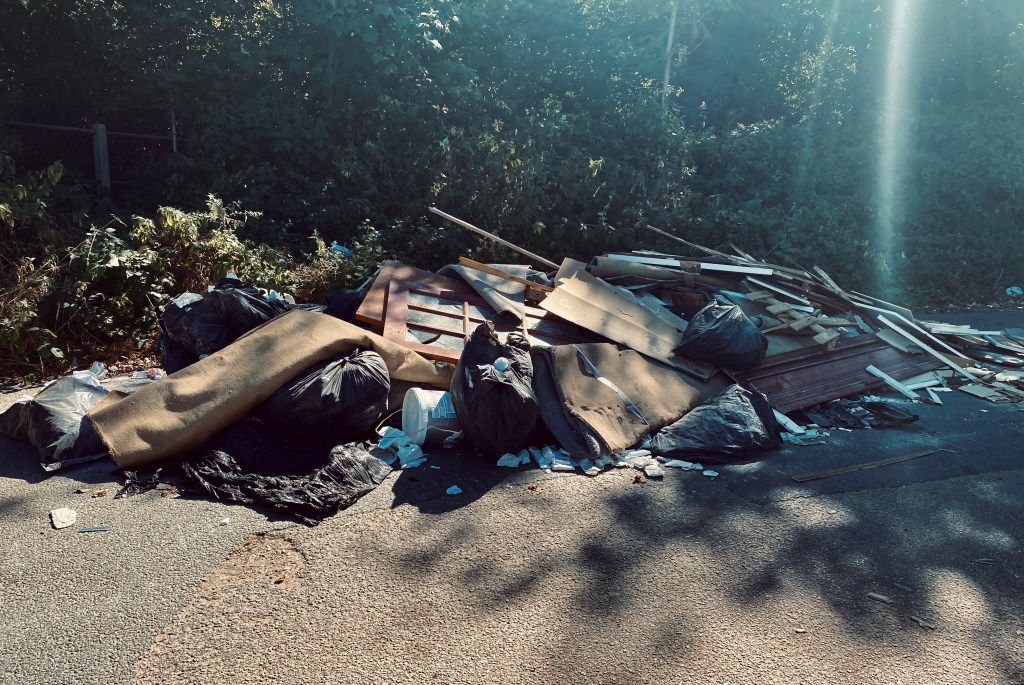
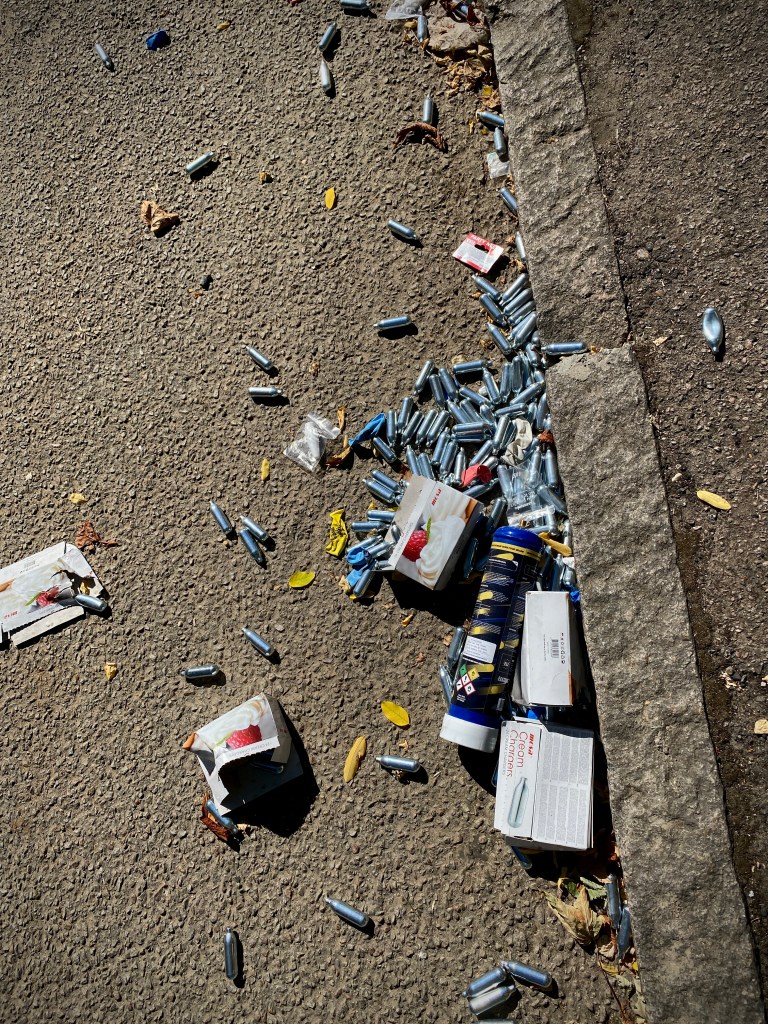
Seeing evidence like this in nature, plants struggling for survival, and human litter around the edges, we were able to discuss the threats to the green environment.
Last week I had a few brushes with other species that got me thinking. Firstly – this time last year we were in the middle of the “anthropause”. The skies were bluer, the air was cleaner, pollution vanished from satellite photos and wildlife seemed to be edging back en masse. We’d encroached on wildlife and a virus had hopped across the species divide and ‘punished’ us.
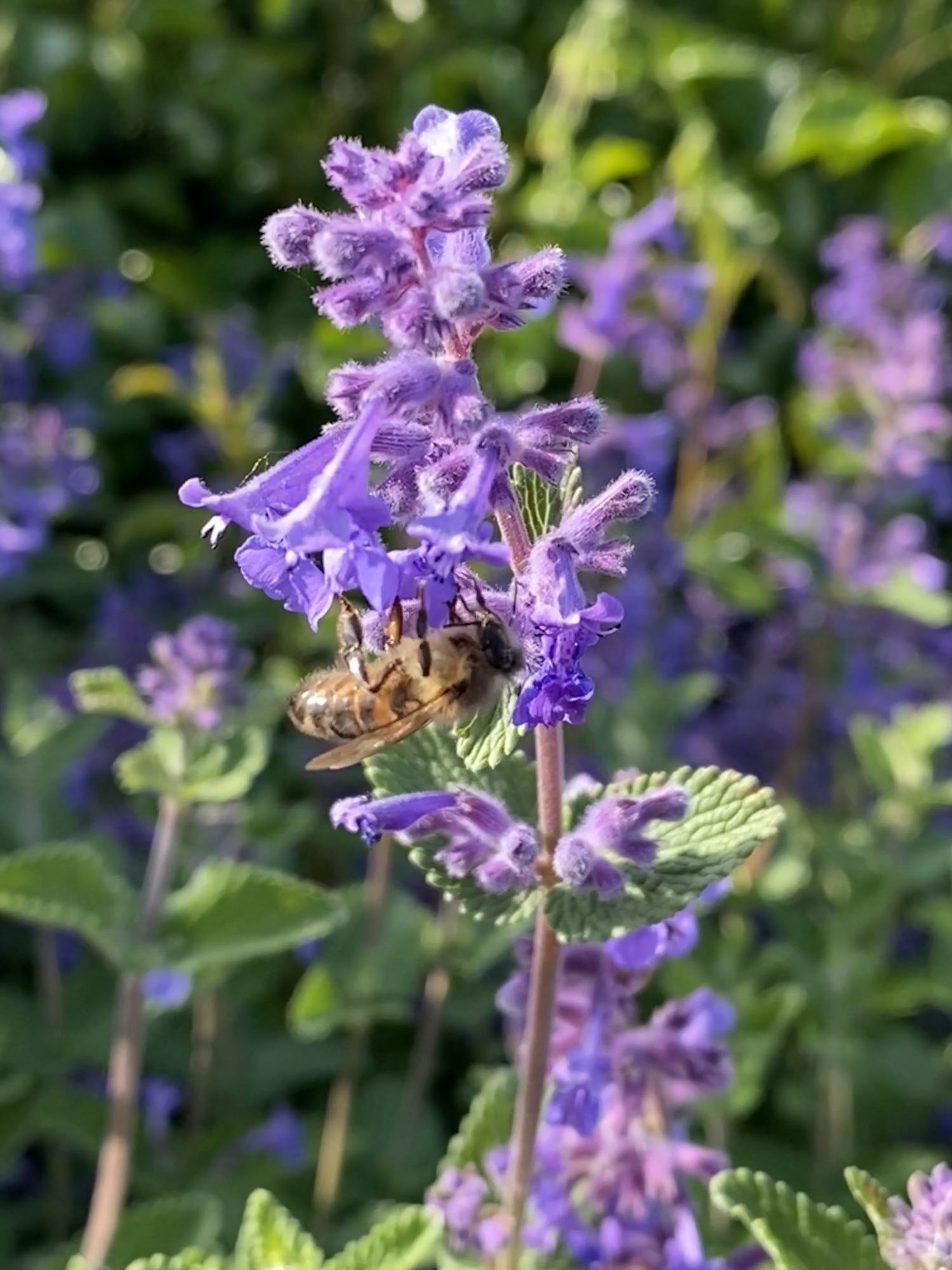
Spoon-feeding a bee
Last May was the sunniest month on record. All that UV was hopefully killing some Coronavirus, but it was also stimulating what the ‘birds and bees’ do best – reproduce. While humans weren’t allowed to meet, let alone hug, the other species were making up for lost years. Instead of constant aeroplanes, we heard the tweeting of baby birds and the buzzing of bees as we spent more time in Nature.
I did find lots of dying bees, and ones that could not fly. I revived this one with raspberry and sugar water. I noticed he had deformed wings.
I’ve lived in inner London for over 30yrs. In 2020 we had bees and wasps returning to our garden to nest, 3 new bird species moving in, 6 fox cubs,…… In 2021 this lot are still around along with their offspring. There are daily fights for territory, every species is crowded-in and fighting for space and food. We are all fighting new housing developments that concrete the ground, throw land into shade , and strip away mature trees and the creatures that live around them. A few miles away my heart breaks for mature trees felled for flats in Deptford.
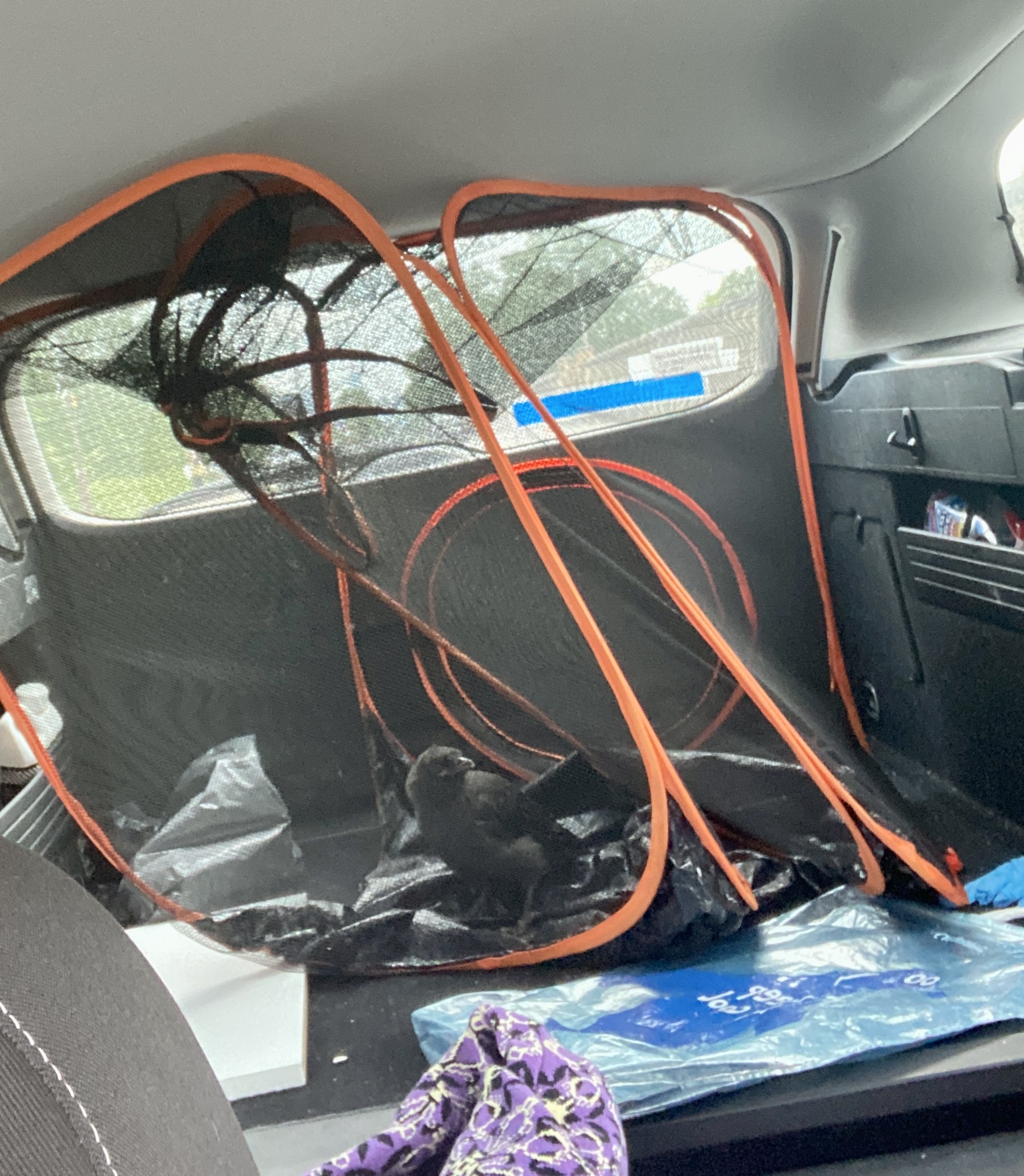
So what has this to do with photography? Well last week I was walking to the darkroom and came across a man talking to a baby crow that was perched on a wall in scorching sunshine. Needless to say I never made it to the darkoom as the crow needed help. The man was a scrap metal merchant and had attended to the crow several times that day and was dripping some water into its beak. The baby crow seemed to have no parents around. I went to the shop and came back with some ham. I ripped the ham into strips (not pleasant as I am vegetarian) and the grateful baby crow gobbled it up. Wildlife Rescue said that if we left it there it would die, a cat could catch it, and we were right beside a busy main road. So I put the crow in a cardboard box and hopped inside the van of the metal merchant who drove me home. I shut my cats away and put the crow in a pop-up cat run tent in the shade. I fed him cat food and warded off magpies and foxes. He revived, but was exhausted. He snuggled up beside me and napped. The Wildlife lady texted me “You are his moma now” . I felt so sorry for this poor displaced crow and we had a bond. I cried for this baby. They are such clever creatures, he recognised my voice and perhaps my face and started trusting me.
In the evening I drove the crow to a lady who took him on the train to London Bridge where she rendezvoused with ‘the Crow Man’ who had collected many crows that day. The next day I was told the crow was doing well in a sanctuary in Ealing.
Then there are the foxes at the bottom of our garden. 5 beautiful fluffy cubs soon became four. City foxes are so tame, they have a symbiotic or even parisitic relationship with man. They raid our bins and happily live off the vast amount of food that we waste. I ordered mange medicine and infection medicine as one has a limp and one has a cough. I put the medicine in jam sandwiches as instructed by the Fox Project. The foxes eat the slugs that feed off the vegetables I have planted, so that is a bonus. However as soon as the strawberries and tomatoes hit peak ripeness the foxes scoff the lot. They also ate one of the young doves who are newly resident since lockdown.
Ironically , the next day I was rescuing a handsome Stag Beetle from the beak of a crow. Stag Beetles are endagered (extinct in many countries) but I have lots of rotting decking in my garden specifically for them as it can take 7 years for their larvae to pupate. I put some card in front of him , he walked onto it, I took a photo, and then put the card under a shady bush where a crow wouldnt see him. I wince when I see photos of people holding stag beetles, on Instagram you really should not touch them they are very delicate. Of course people don’t know that. I grew up on a smallholding and had experience of all manners of creatures. But some Londoners aren’t so lucky. I think it’s vital to maintain an understanding of our fellow creatures and our connection to Nature.
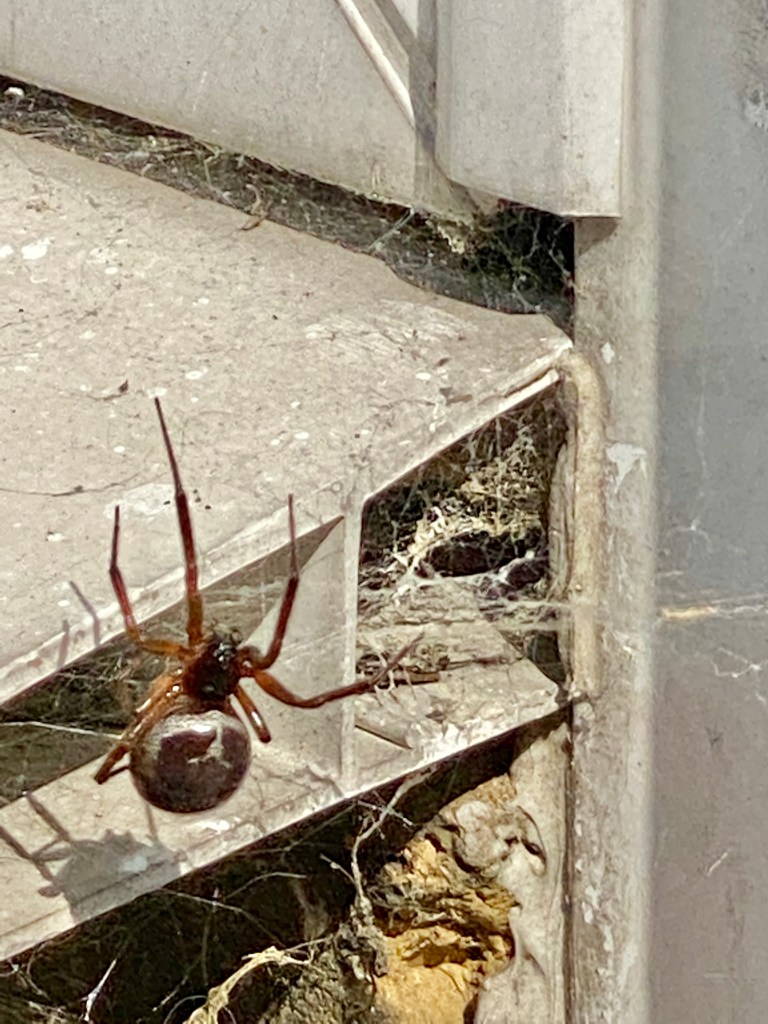
Another new visitor I am not so welcoming of is this False Widow that was sunbathing within inches of me. I’d never seen one of these before, except in newspaper articles talking about their venomous bite and East London schools being closed because of them. I cant even bring myself to kill a spider, but this one was scary indeed.
Meanwhile, in the garage was a zombie spider! Covered in fungus but half alive !
As humans, we are still very much a part of the food chain, but there is a feeling that we could in future rise above even that. As we integrate ourselves more with machines and technology we eject other species from the planet. As we take over their habitats we run the risk of more animal-bourne viruses, but right now even science is combatting those.
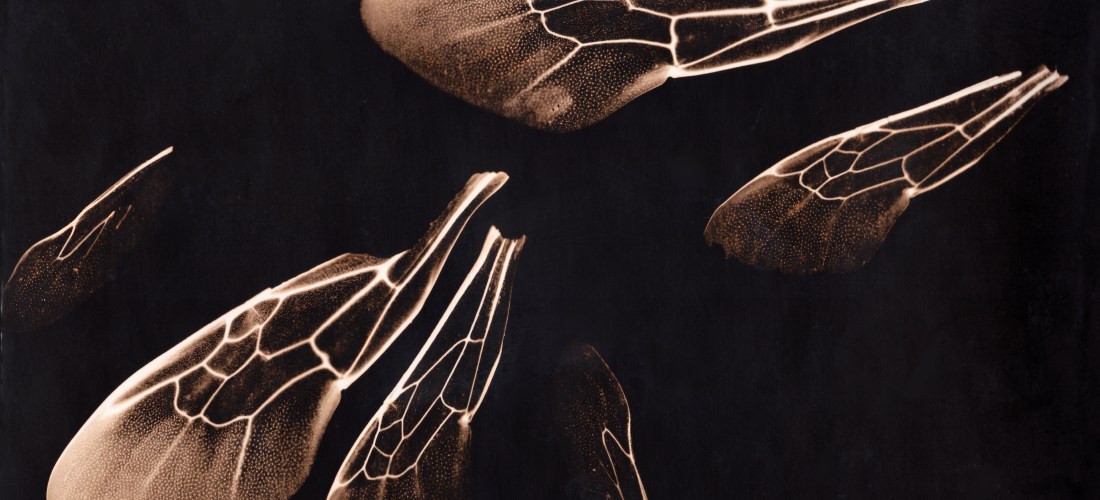
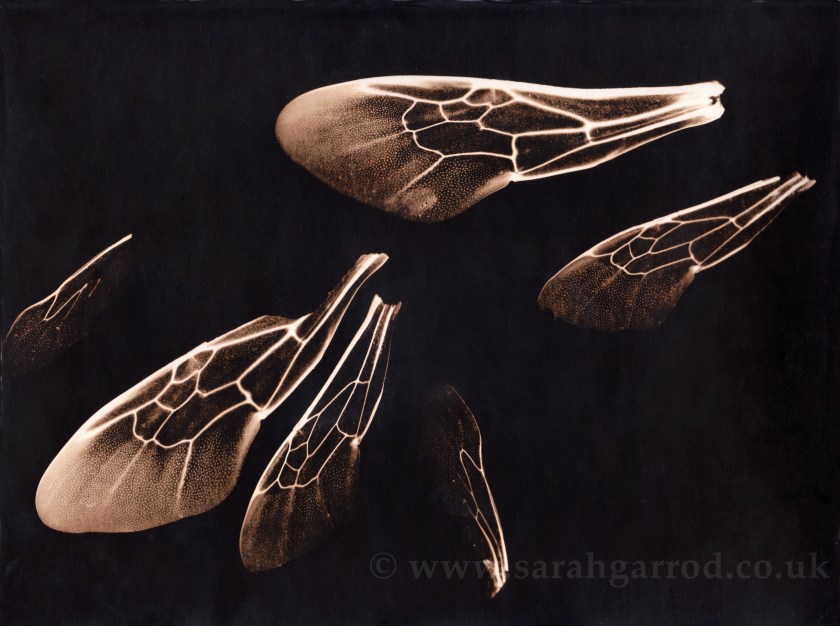
“The Last Bees” Photogram I made in the darkroom from the wings of dead bees – lith print







 Sarah Garrod